[Here's a link to other forays around my map.]
[kofi]
"Footpaths are mundane in the best sense of that word: 'worldly', open to all. As rights of way determined and sustained by use, they constitute a labyrinth of liberty, a slender network of common land that still threads through our aggressively privatized world of barbed wire and gates, CCTV cameras and 'No Trespassing' signs." – The Old Ways, Robert Macfarlane
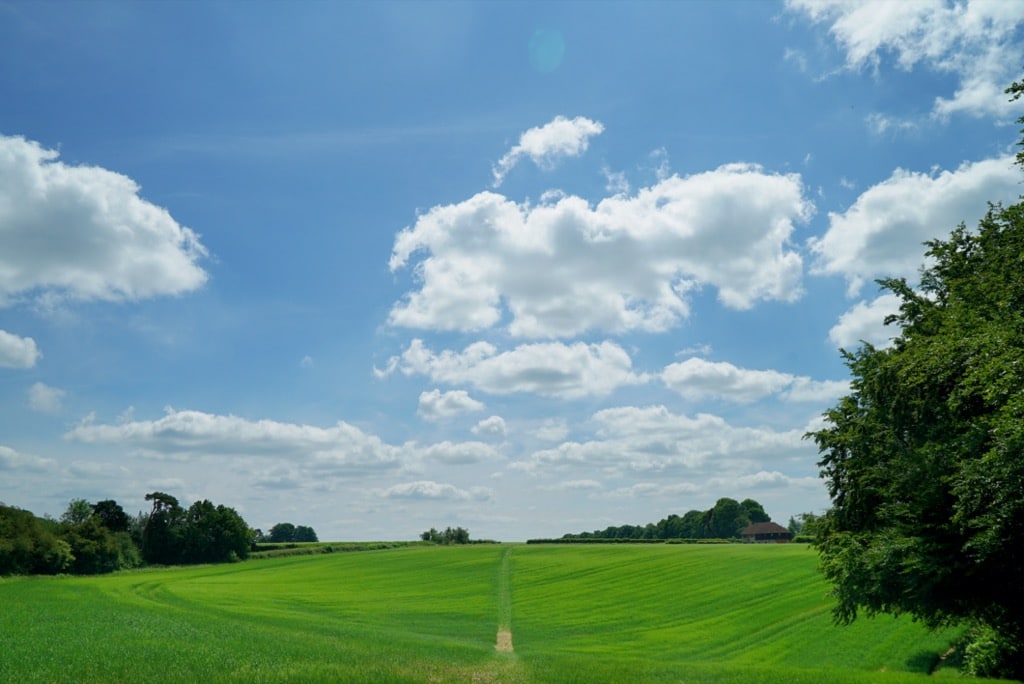
This map might cover only 20 kilometres, but it seems to span a thousand worlds. From sunshine to snow, winter to summer, kind smiles to grumpy shouts, and from jaded concrete streets to this grassy meadow, humming with butterflies where I can lie down on my back and enjoy the warmth of the sun on my face, all alone and undisturbed. I'm high up here and in the distance I can see the gleaming glass towers of the city, shimmering in the midsummer haze. Nearer by is a large white house, doors flung open to let in some air, with a tennis court and swimming pool in their garden. The day is still and quiet, with only birdsong and the sounds of a nearby motorway in the air. I lay still for a while, allowing myself to settle into the grid square and its pace and vibe.
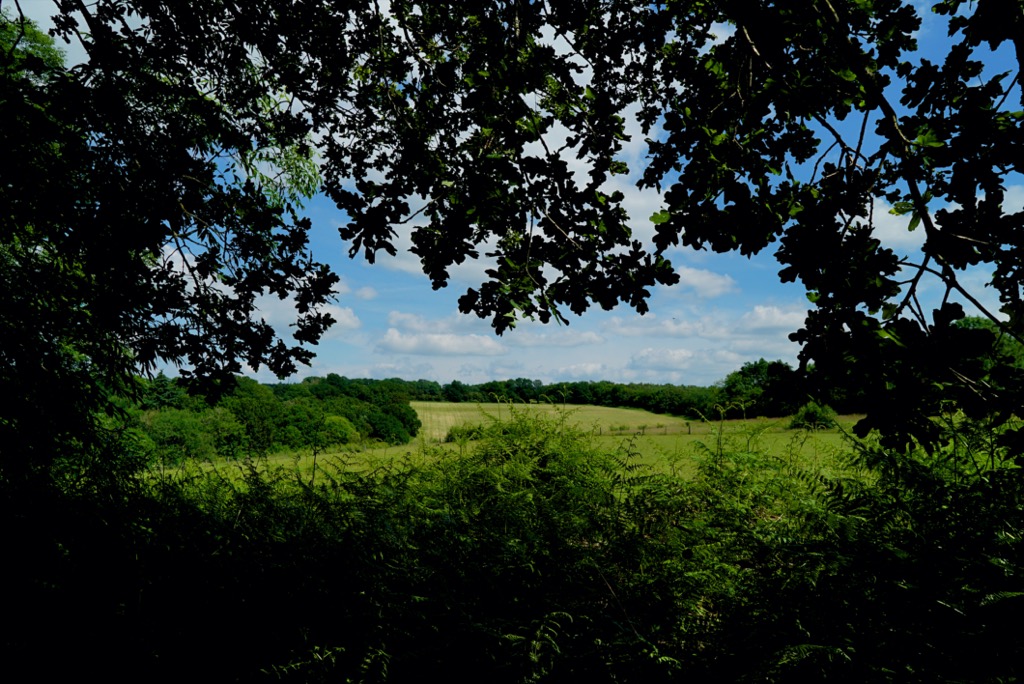
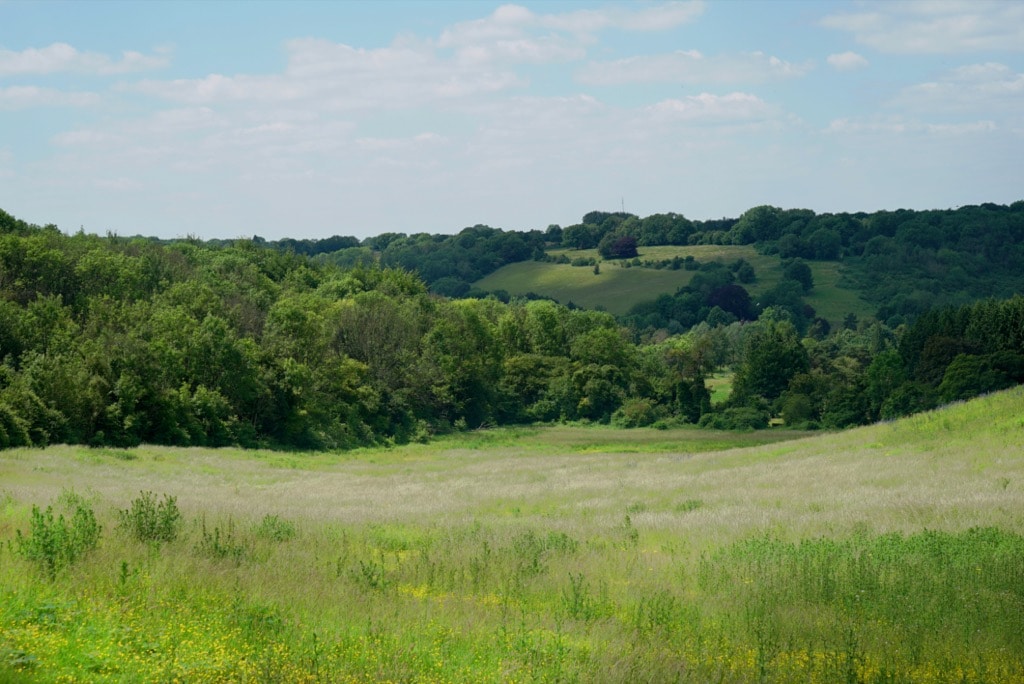
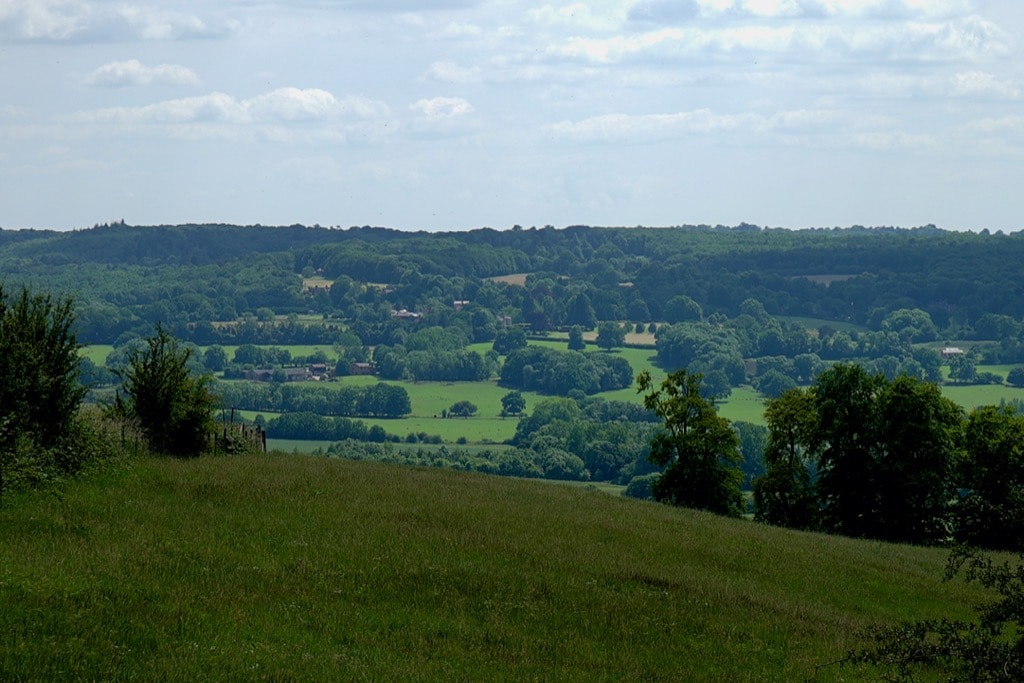
I cross a couple of fields until I am stopped by one of the most beautiful landscapes of my map so far. It is a glimpse of England at its most bucolic. Down a steep grassy hill my view is funnelled by a valley whose sides are covered in trees and whose floor is a beautiful expanse of wild meadow, bursting with long grasses, yellow buttercups and tall spears of blue Viper's-bugloss. It is is a hairy plant with dense spikes of bright blue, funnel-shaped flowers, found on chalk grassland, sand dunes, cliffs and disturbed ground. It provides food for a range of insects, including Buff-tailed and Red-tailed Bumblebees, Large Skipper and Painted Lady butterflies, Honeybees and Red Mason Bees. I looked up a plant with the descriptive name of 'Bristly ox-tongue'. It looked like a nice wild flower to me, with bristly tongue-shaped leaves, but gardeners apparently like to kill it with a selective weed killer containing a mixture of 2,4-D, Dicamba and Mecoprop-p, and repeat again 6 weeks later if necessary.
The meadow stretched down into the distance until merging into woodland which ran up the far side of the valley. I could happily have sat here all day, or enjoyed wandering over the ground towards the horizon. But I had veered off the official footpath to enjoy this view and I remembered that it was not far from here that I'd been yelled at a few weeks ago (when I was, in fact, on a footpath). So I felt a vague unease that someone might appear from somewhere and shout at me for something. And this, once again, rubbed up against my sense of freedom and space and persuaded me to turn my back and return to the official permitted path.
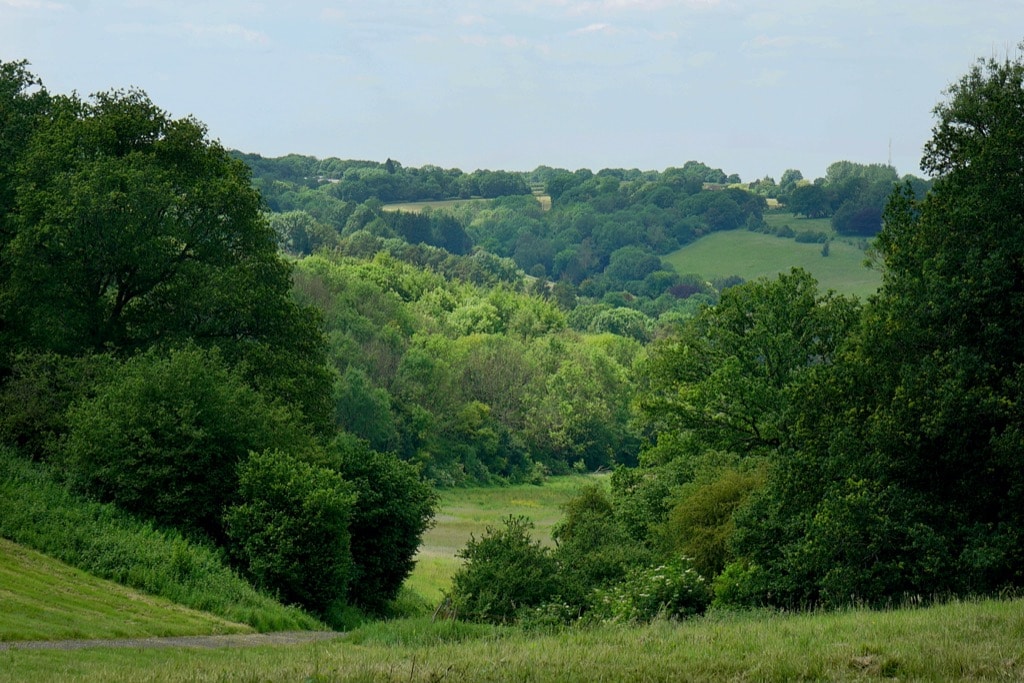
I took off my shirt as I climbed up the hillside, for the sun was high and hot. It was the first time I've unleashed my spectacularly white torso on the world this summer. I'm seriously lacking in melanin (unlike the wild rabbit I saw recently). The skin uses sunlight to help manufacture vitamin D, which is important for normal bone formation. But there's a downside. The sun's ultraviolet light can cause major damage to the skin. The outer layer of the skin has cells that contain the pigment melanin. Melanin protects skin from the sun's ultraviolet rays. These can burn the skin and reduce its elasticity, leading to premature aging.
People tan because sunlight causes the skin to produce more melanin and darken. The tan fades when new cells move to the surface and the tanned cells are sloughed off. Some sunlight can be good as long as you have proper protection from overexposure. But too much ultraviolet, or UV, exposure can cause sunburn. And pale-skinned me hates being sunburned! I don't know if my memory is skewed, but I associate much of my childhood summers with peeling red shoulders and calamine lotion.
Early civilizations used a variety of plant products to help protect the skin from sun damage. For example, ancient Greeks used olive oil for this purpose, and ancient Egyptians used extracts of rice, jasmine, and lupine plants whose products are still used in skin care today. Zinc oxide paste has also been popular for skin protection for thousands of years. Among the nomadic sea-going Sama-Bajau people of the Philippines, Malaysia, and Indonesia, a common type of sun protection was a paste called borak, which was made from water weeds, rice and spices. It was used most commonly by women to protect the face and exposed skin areas from the harsh tropical sun at sea.
Mathematically, the SPF (or the UPF) is calculated from as:

where is the solar irradiance spectrum, , and the monochromatic protection factor, all functions of the wavelength . The MPF is roughly the inverse of the transmittance at a given wavelength.


A Swiss chemistry student by the name of Franz Greiter decided that sunburns really suck after suffering a particularly bad one after climbing Mount Piz on the Swiss-Austrian border. This inspired his expedition against sun damage, and in 1946, Piz Buin Glacier Cream was born. Meanwhile, Benjamin Green, an airman and pharmacist from Miami, Florida, was experiencing the sun's wrath while flying on WWII missions, so he whipped up his own thick sun paste dubbed Red Vet Pet. The stuff was effective, but nasty to wear. Green added some cocoa butter and coconut oil to the mix and soon after he invented Coppertone.
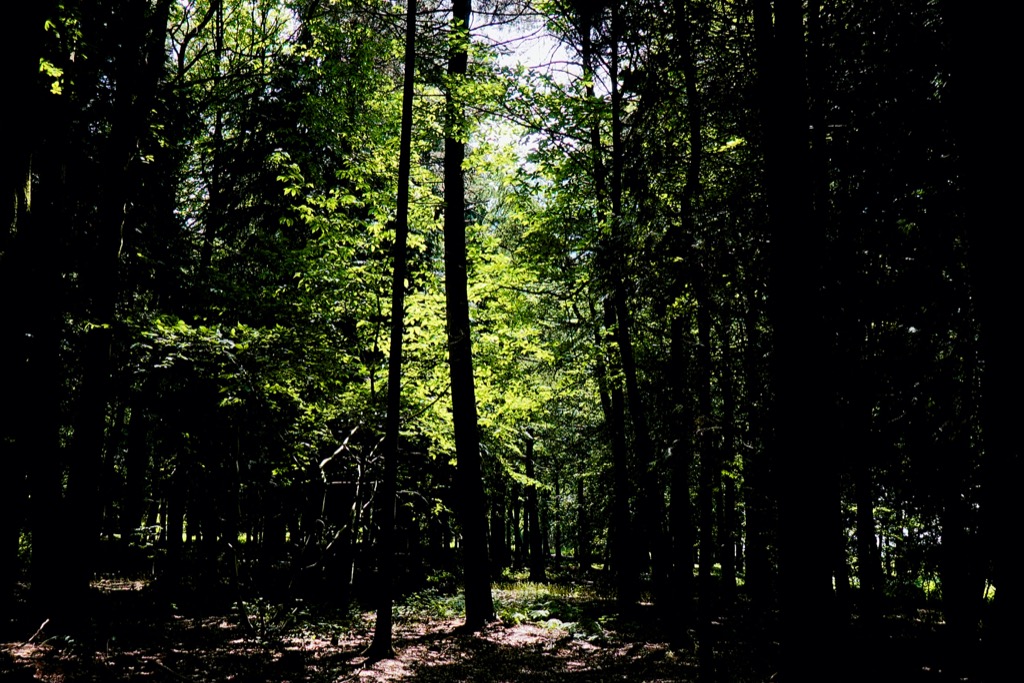
I follow the path diagonally across a fertilised field of bright green wheat, growing strongly despite the earth seeming to be more flint than earth. From up here, looking south, I could see right off the bottom of my map and on towards so many more maps, so many other people's maps. Bees busied themselves on clover flowers and red admiral butterflies flittered in the sunshine as I sought the shade of woodland. This may be a heretical suggestion after all my muddy months of slipping and sliding through bleak woodland in pouring rain, but is summer the worst season to be in woodland? It is the time of maximum growth so brambles are blocking many of the views and smaller paths. It's quite dark in the woods at this time of year as very little light gets through the overhead canopy.
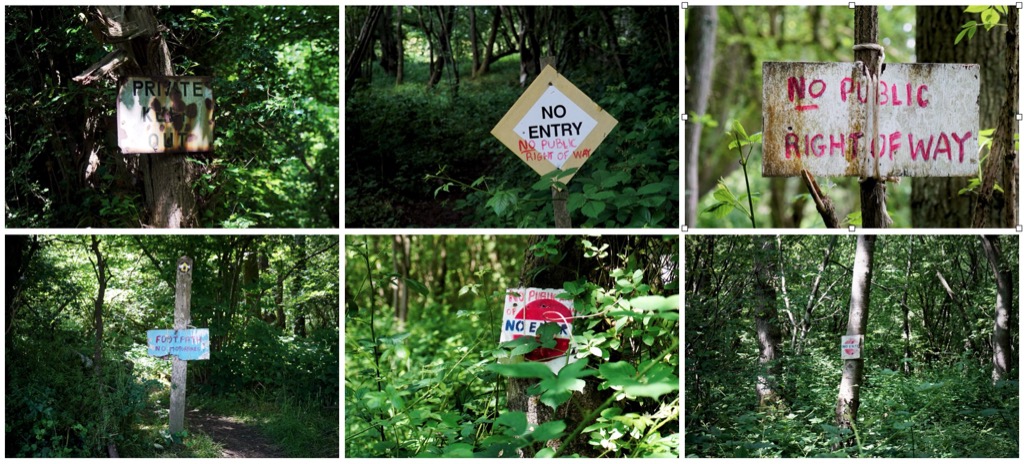
Although I didn't see anyone all afternoon, the nagging feeling of being watched persisted, or at least of not being particularly welcome. The wood that I wanted to explore was festooned with Keep Out notices. I thought longingly of Allemansrätten in Sweden (I made a short film about it here).
When you are in Sweden you have the right to walk, cycle, ride, ski and camp on any land with the exception of private gardens, near a dwelling house or land under cultivation. They call it the Freedom to Roam. Sweden's natural wonders; Swedish Lapland, the Swedish mountains, coastlines and archipelagos are waiting for you to come and discover them to claim your right to enjoy the sights and sounds of Sweden's great outdoors. The Right of Public Access is a unique right to roam freely in the countryside. But with this right come responsibilities – to take care of nature and wildlife and to show consideration for landowners and for other people enjoying the countryside. The Swedish Environmental Protection Agency (EPA) sums up the Right of Public Access in the phrase 'Don't disturb – Don't destroy.'
The freedom to roam is the principle, protected by the law, that gives all people the right to roam free in nature. Sleep on mountaintops, by the lakes, in quiet forests or beautiful meadows. Take a kayak out for a spin or experience the wildlife firsthand. Pick berries and mushrooms and flowers from the ground – all completely free of charge. The only thing you have to pay, is respect for nature and the animals living there.
Instead, here in England, we have a few people 'owning' almost everywhere and then excluding everyone else. This grid square is covered in Keep Out signs. So many 'keep out' signs. Some I ignore, and tiptoe in delight around pristine wildness that surely shouldn't be 'private' or 'keep out'. Then I leave, unseen, quietly, leaving nothing behind, leaving it pristine and beautiful for either the next polite trespasser, for the landowner enjoying their fiefdom or, most likely, for nobody at all.
But then there is the other side of the argument. Because we in this country do not pay respect to nature, the areas of this grid square that were open to public access were strewn with fly tipping, plastic and gouged, muddy tyre tracks. It swings both ways and I sympathise deeply with landowners and farmers having to deal with such selfish idiots.
A kestrel flew by, one of my favourite birds. Kestrels are masters of stationary flight, and hover-hunt extensively. They also hunt from perches, altering their hunting method to suit prey type, weather conditions and energy requirements. On farmland kestrels have learned to watch farming operations, waiting for the tractors to flush prey.
A kestrel is capable of locating its prey at remarkable distances – it can see and catch a beetle 50 m from its perch. Kestrels need to eat 4-8 voles a day, depending on the time of the year and the amount of energy-consuming hover-hunting they do. They have a habit of catching several voles in succession and caching some for later.
Unlike smaller hummingbirds, kestrels are incapable of beating their wings fast enough to generate enough lift to keep them aloft, so they have to face into the wind and rely on it to provide lift for them. This "windhovering" technique is so precise that their heads stay completely still, a factor that is estimated to increase their hunting efficiency tenfold.
The design of kestrels' wing feathers is equally important to its ability to hover. Like other birds of prey, kestrels have slotted high lift wings, and these slots help to reduce turbulence while hovering. If the wings didn't allow air to pass through them, kestrels would not be able to hover, and would keep stalling instead. In high winds, the kestrel's job is easier, and flapping is reduced to a minimum. In even stronger winds, they may not have to flap at all, simply opening their wings and gliding into the wind, a technique called "kiting."
Marginally less graceful than a kestrel, but not by much, is the distinctive outline of a Second World War Spitfire fighter plane which flew overhead with its characteristic throaty roar.
The Spitfire is the most famous plane of World War Two. Its groundbreaking design and superior specifications gave the British a decisive advantage fighting the Luftwaffe in the Battle of Britain. But early models were often cruelly exposed in head-to-head duels with the enemy. It was only after multiple improvements that the Spitfire's winning combination of speed, manoeuvrability and firepower turned it into a formidable killing machine and a much loved British icon.
In 1940 Hitler sent 2,600 Luftwaffe fighters and bombers to destroy the Royal Air Force. At the start of the battle the RAF only had 640 fighters – Hurricanes and Spitfires – and German commander Herman Goering confidently predicted victory would only take a few days.
Britain stepped up the production of fighter planes, building them faster than Germany. The Hurricanes, with their sturdy frames, took on the bombers. The Mark I Spitfires, with their superior speed and agility, were sent up to shoot down German fighters. By the end of the battle the better organised RAF had defeated the Luftwaffe and downed 1,887 German planes. The RAF lost 1,023 planes.
Marginally less ferocious than a Spitfire, but not by much, was the pair of bright blue dragonflies (not damselflies) patrolling the hedgerow. They seemed far from water, up here on this high plateau, but I'm sure they knew what they were doing. Both the aquatic nymphs and the flying adults are some of the largest and most aggressive insect hunters in the world. While they usually eat mosquitoes and midges, they'll also eat butterflies, moths, bees, flies and even other dragonflies. Larger dragonflies will eat their own body weight in insect prey every day.
They are extremely agile and catch their prey midair. Most dragonflies fly an average of 10 miles per hour, but large species can top out at 30 miles per hour. They are able to fly backwards, hover in place, turn in tight spots, and accelerate instantly.
Dragonflies can create a type of basket with their legs to scoop up a bug and put it in their mouth without stopping. Other dragonflies simply open their mouths to catch food as they fly. In Japan, the dragonfly symbolises focused endeavour and vigilance because of its manner of moving up, down and sideways while continuing to face forward; Samurai warriors fashioned helmets in the shape of dragonflies, which were symbols of invincibility.